







The Sensory Table

The Sensory Table is a pioneering technological solution designed for the objective quantification of the diner’s emotional and sensory response. Its purpose is to transform gastronomic feedback from a subjective opinion into a numerical value, enabling creators (chefs, restaurateurs, product developers, etc.) to scientifically align their creative intention with the final consumer's perception.
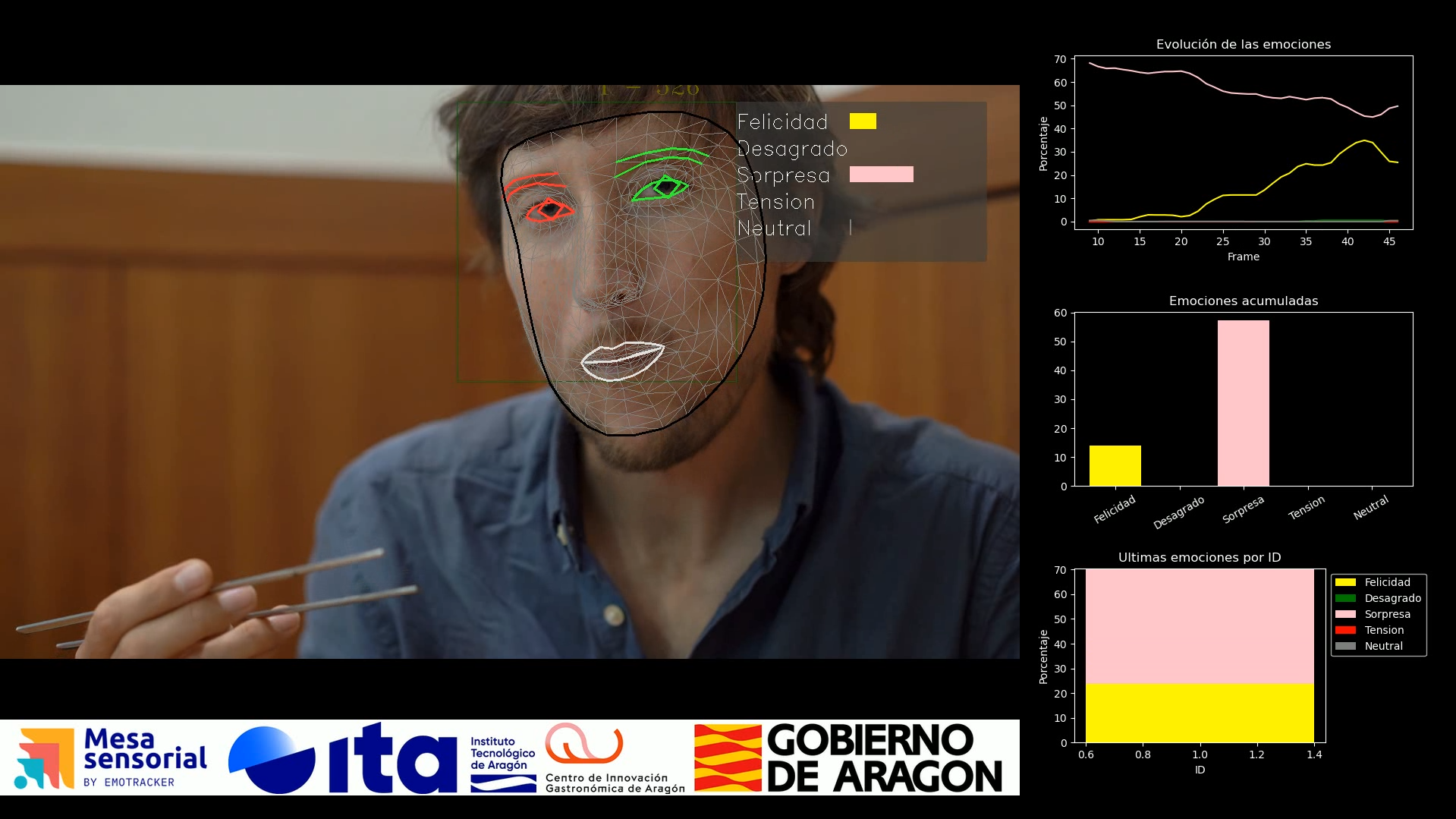

The Sensory Table
Description: The Sensory Table is a pioneering technological solution designed for the objective quantification of diners’ emotional and sensory responses. Its purpose is to transform gastronomic feedback from a subjective opinion into a numerical value, allowing creators (chefs, restaurateurs, product developers, etc.) to scientifically align their creative intention with the final consumer's perception.
Problem Solved (The Subjective Bias): The main challenge in gastronomy and product tasting is subjectivity and the social desirability bias. Post-service surveys or interviews often yield skewed data, as customers tend to avoid direct criticism. The Sensory Table solves this by using non-intrusive, real-time analysis of facial micro-expressions, capturing genuine emotion before the brain has time to censor it.
Technology
The system is based on real-time emotion recognition.
Data Capture: Utilization of 360º video cameras and, potentially, biometric sensors (pulse) to capture reactions in real time.
Cognitive Algorithm: A neural network trained for the pioneering detection of emotions in an eating context. The AI distinguishes between physiological gestures (chewing) and genuine emotional expressions (pleasure, disgust, surprise).
Results: Generation of a temporal map of the experience (graphs and reports) that correlates the specific moment of the menu with the aggregated emotional response of the diner.
Commercial Advantages and Scope
Strategic Advantages
Unprecedented Objectivity: Offers scientific, quantifiable data on satisfaction that cannot be obtained through surveys.
Product and Service Optimization: Allows for precise alignment of the restaurateur's intent (recipe, plating) with the client's perception, identifying critical service points.
Neurogastronomy Leadership: Positions establishments as pioneers in the use of neuroscience applied to gastronomy, providing an insurmountable market differentiator by transcending subjective criticism and grounding their storytelling in the science of perception.
Objective Brand Positioning: The ability to "guarantee" a specific emotional experience (e.g., "the menu that maximizes surprise" or "the service that minimizes stress") becomes a marketing and pricing differentiator.
Evidence-Based Training: Provides an objective tool for training front-of-house and kitchen staff. Instead of abstract instruction, personnel can see the real emotional consequences of their actions, measurably elevating service standards.
Commercial Application Scope
Haute Cuisine and Luxury Hospitality: Refinement of tasting menus, design of dining room protocols, and validation of the premium experience.
Agri-Food Industry (R&D): Used in tasting panels for the emotional validation of new products or packaging prior to mass launch.
Consulting: Offering specialized consulting services based on emotional analytics to third parties for the design or re-branding of restaurant concepts.