

32.jpg)


56.jpg)


Vitrimer

New polymer based on vitrimer formulations fully derived from vanillin and vanillin-like compounds. Vitrimers behave like traditional thermosets, which have good thermal and mechanical properties. When under external force, exchange reactions induce a topology rearrangement and fast stress relaxation and, as a result, vitrimers can flow like a viscoelastic fluid. Its glass transition temperature can be selected from 95ºC to 140 ºC). To the best of our knowledge, this Tg is significantly higher than those reported for materials derived from renewable feedstocks, positioning this material as a strong candidate for aerospace applications.


Vitrimers and vitrimer polymers are particularly suitable for applications such as self-healing materials, re-usable adhesives, or recyclable and reconformable composite materials. CF-reinforced vitrimeric composite materials can be in aerospace, automotive, marine, and sports industries due to their high stiffness, lightweight, and excellent fatigue resistance. Unlike traditional thermoset composites, vitrimers can be reprocessed, healed, and recycled. This makes CFRCs more sustainable and environmentally friendly.Vitrimers can repair themselves when damaged, extending their service life and reducing maintenance costs, and can respond to external stimuli such as heat, light, or pressure, making them versatile for various advanced applications
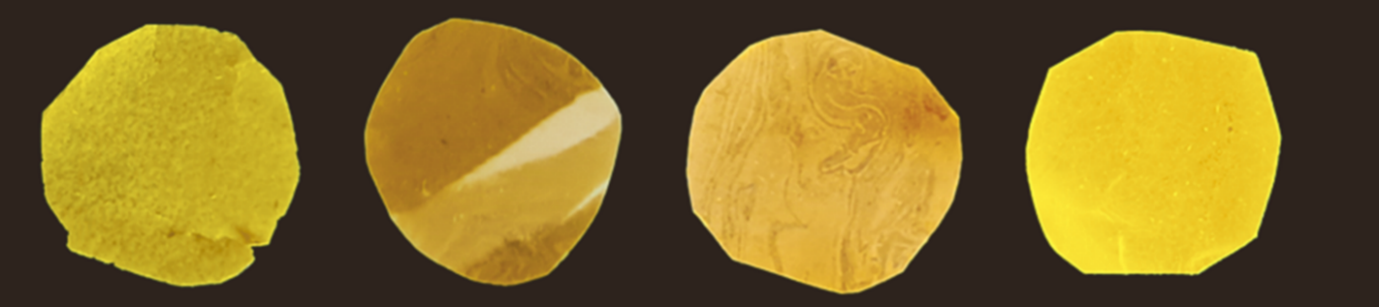
Biodegradable polymer-based active films with the capacity to incorporate natural bioactive compounds
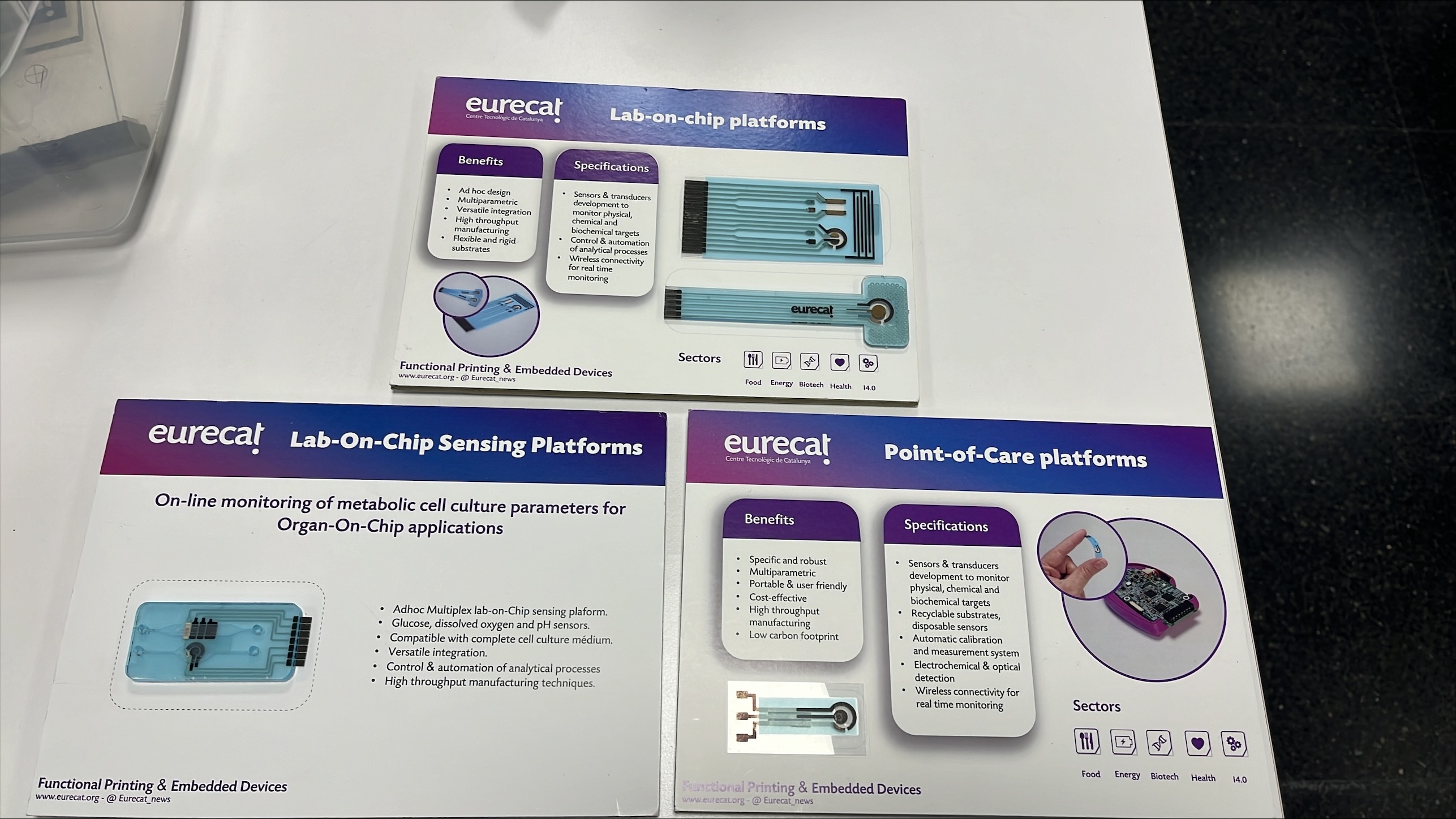
Multisensor Platform
