

32.jpg)


56.jpg)


Circular Biosurfactants: Sustainable Additives for Industrial Lubrication
.png)
Context
Industrial lubrication relies heavily on petrochemical additive packages to deliver critical functions such as friction reduction, anti-wear protection, corrosion inhibition, detergency, demulsibility, and oxidation control. As sustainability expectations rise, there is a growing need to replace these additives with renewable, biodegradable, low toxicity, and resource efficient alternatives without compromising performance or cost.
Opportunity
Switching from petrochemical additives to renewable, biosurfactants would enable the lubricant industry to meet stricter sustainability and chemical safety standards, reduce environmental impact, and strengthen cost-efficient supply chains by valorizing agro-industrial residues, while anticipating future regulatory requirements and delivering high-performance, differentiated products with a lower life-cycle footprint.
What are we looking for
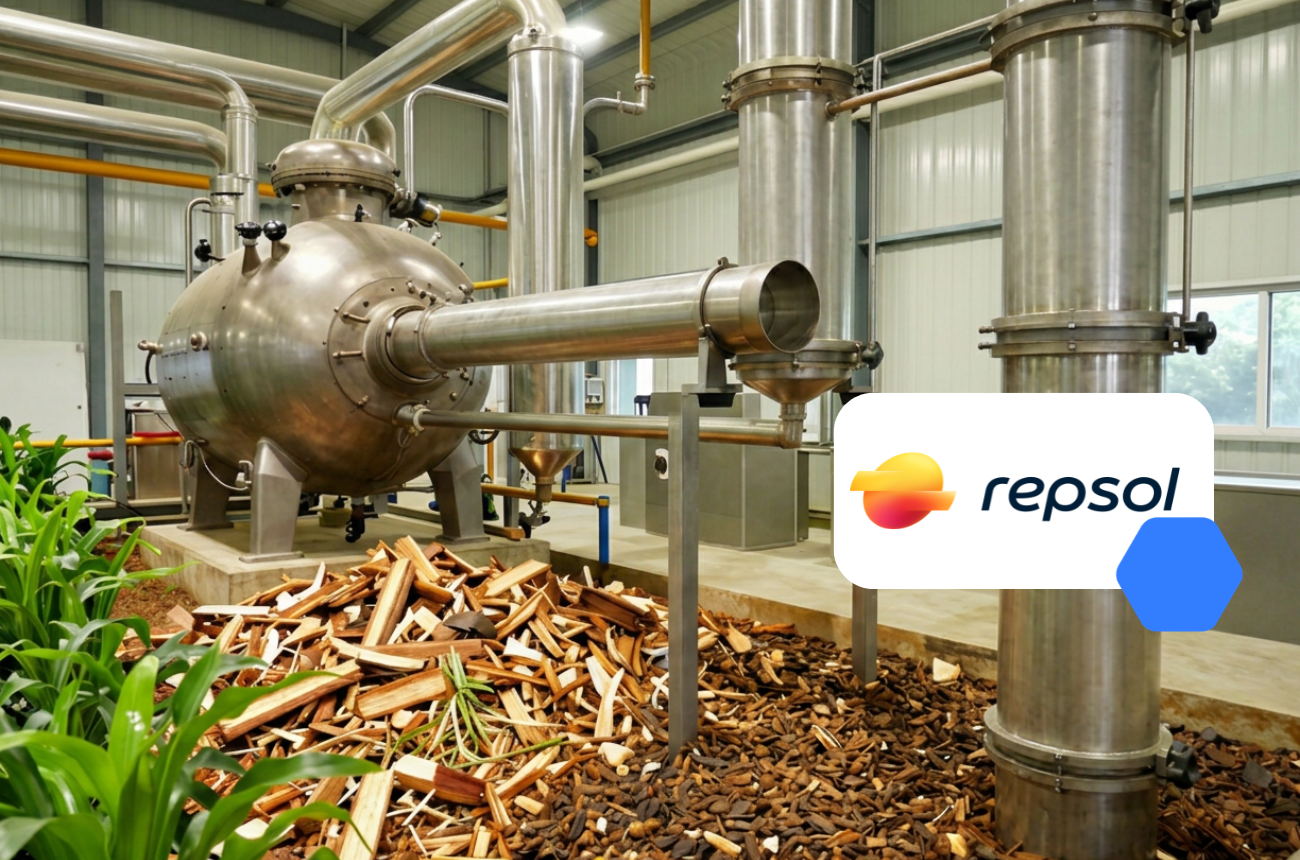
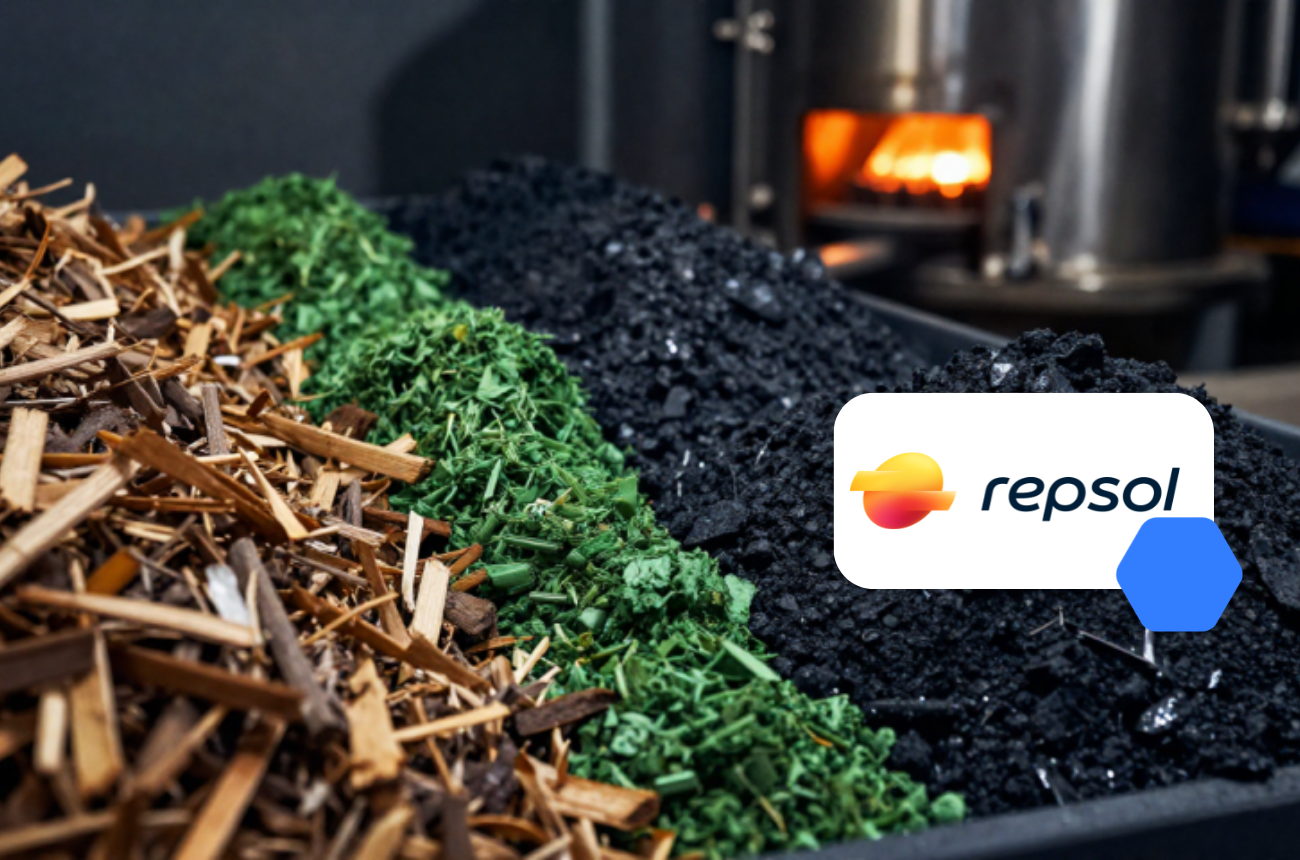
Microbial biosurfactants are promising functional molecules that could be produced from renewable carbon sources, including agroindustrial side streams (like glycerol) or sugar byproducts. The production at scale of these molecules through biotechnological routes could unlock circular, lower impact additive solutions for lubrication systems.
We invite proposals that deliver functional biosurfactant additives for industrial lubrication, produced via microbial/biotechnological processes using renewable and circular feedstocks, preferably agro-industrial wastes.
.png)